Sponsored article
The emergence of wartime industries played a pivotal role in transforming local communities around the world. These industries not only drove economic growth and employment but also led to significant demographic changes and lasting societal impacts. As we delve into the intricacies of these transitions, it becomes essential to understand the profound influence of wartime production on jobs, migration trends, and community identity. By examining these elements, we gain insight into how past industrial activities continue to shape present-day local landscapes.
The impact of wartime industry on local employment opportunities was profound, offering a lifeline during times of great uncertainty. Industries established during wartime led to significant job creation, effectively transforming the employment landscape within local communities. These industries attracted a diverse workforce, drawing in individuals from various backgrounds who sought stability amidst the turmoil. The influx of workers not only bolstered local economies but also triggered critical economic shifts, as wartime production created a demand for skilled labor and expanded job roles. A prime example can be explored through a guided tour Schindler’s Factory history, where visitors can delve into how Oskar Schindler’s efforts not only saved lives but also provided essential employment during World War II. The wartime industry catalyzed transformations that extended beyond the war, laying the groundwork for long-term economic resilience and community development.
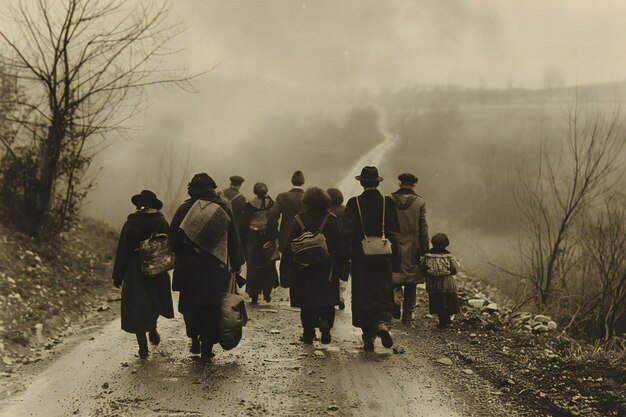
During periods of wartime, the burgeoning war industries acted as a magnet for migration, reshaping the demographic landscape of local communities. With a surge in job opportunities, towns and cities hosting these industries experienced significant population growth, drawing people from rural areas and other regions in search of employment. These migration patterns led to a vibrant tapestry of cultural and socioeconomic diversity, as new residents brought their unique backgrounds and traditions. The demographic changes spurred by wartime activities manifested in several ways:
Ultimately, the intrusion of wartime industry into local communities not only supported the war effort but permanently altered the social fabric of these areas, leaving a lasting impact on their demographic and cultural identity.
The societal impacts of wartime industry delve deep into the evolution of community identity, forging lasting changes that persisted long after the echoes of war had faded. As factories retooled and labor shifted drastically to meet the demands of war, previously agrarian or small-town communities experienced cultural shifts that reshaped their social fabric. The influx of workers from diverse backgrounds brought about an intermingling of cultures and ideas, fostering a new, multifaceted community identity. These changes, characterized by a blend of resilience and adaptation, introduced enduring post-war effects that filtered through every aspect of daily life. From the reevaluation of gender roles, as women joined the workforce in unprecedented numbers, to the emergence of new social norms and values, the cultural ramifications were profound. Social changes were not confined to the workforce; they reached into schools, neighborhoods, and public life, thus redefining the community identity in innovative and sometimes challenging ways, leaving an indelible mark on the social landscape.