Sponsored article
The integration of immersive learning experiences in healthcare is revolutionizing the way medical professionals collaborate and deliver patient care. By utilizing advanced technologies like virtual reality and simulation-based training, healthcare teams are becoming more proficient and cohesive. These cutting-edge methods not only enhance professional skills but also promote continual improvement in patient interaction and safety.
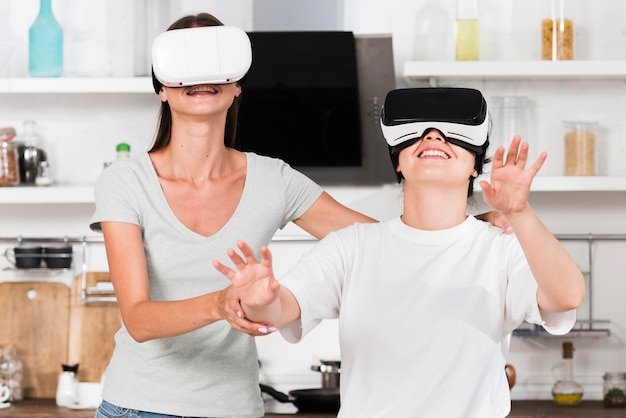
Virtual reality is revolutionizing healthcare training by creating immersive tech experiences that closely replicate real-world clinical environments. By utilizing this cutting-edge technology, medical professionals can engage in lifelike simulations that significantly enhance their practical skills and improve learning outcomes. These virtual environments allow for hands-on practice in a safe and controlled setting, where learners can make decisions and experience the consequences without real-world risks. Moreover, virtual reality facilitates interprofessional collaboration by bringing together individuals from different healthcare disciplines to participate in comprehensive, team-based scenarios. This approach not only sharpens individual competencies but also cultivates team dynamics and communication skills. Interprofessional training programs, such as those offered by SPIRIT, leverage VR to bridge gaps in collaboration, preparing healthcare practitioners for the complexities of modern clinical settings and ultimately leading to better patient care outcomes.
Simulation-based learning is revolutionizing medical education by providing a dynamic platform for experiential learning that goes beyond traditional methods. It plays a critical role in medical schools and professional development programs by offering interactive environments where students and healthcare professionals can safely explore complex scenarios. This approach not only sharpens collaborative skills but also enhances decision-making abilities as participants work together to solve realistic medical challenges. Through this immersive learning technique, medical trainees gain the confidence and competence necessary to excel in healthcare settings, where teamwork and swift, informed decisions are crucial. By simulating real-world medical situations, such as emergency responses and surgical procedures, learners can practice and refine their skills in a controlled environment, reducing risks when they face these challenges in real life. Ultimately, simulation-based learning in medical education cultivates a new generation of professionals who are better prepared, more collaborative, and equipped to handle the demands of modern healthcare.
Enhancing patient engagement through immersive experiences can transform the healthcare landscape by fostering better communication and collaboration between patients and healthcare providers. Immersive learning tools such as virtual reality (VR), augmented reality (AR), and interactive simulations enable patients to gain a deeper understanding of their health conditions and treatment options. These innovative tools can enhance healthcare collaboration by:
By integrating these immersive experiences, healthcare providers can bridge communication gaps, resulting in enhanced patient engagement and improved patient outcomes. As a result, the synergy between immersive learning tools and patient care is paving the way for a more collaborative and effective healthcare ecosystem.