
Sponsored article
Public restrooms are a crucial part of our daily environments, yet maintaining their cleanliness and hygiene often presents challenges. Fortunately, modern technology offers innovative solutions to these issues, ensuring that shared bathroom spaces meet higher standards of cleanliness and efficiency. By integrating smart fixtures, automated cleaning systems, and digital monitoring, today’s public restrooms can provide a more hygienic and user-friendly experience for everyone.
In today’s world, smart restroom fixtures are revolutionizing public restroom hygiene through advanced touchless technology. With the rise of various innovations such as smart toilets and sensor faucets, germ transmission has significantly reduced. These devices detect user presence and activate automatically, eliminating the need for physical contact with surfaces that often harbor bacteria. This not only improves sanitary conditions but also enhances the overall hygiene benefits in busy public facilities. People are more inclined to use restrooms confidently when they know touchless options are in place, fostering a cleaner environment for everyone.
Among these fixtures, the bathroom hand dryer plays a crucial role. By providing a hygienic way to dry hands without the need for paper towels, hand dryers contribute to a more sustainable and cleaner restroom experience. Utilizing sensor-based technologies, modern bathroom hand dryers, like the ones you can explore here, offer quick and efficient drying solutions while reducing the risk of cross-contamination. As technology continues to advance, incorporating smart fixtures in public restrooms remains a vital step towards promoting public health and convenience.
Modern technology has revolutionized restroom maintenance through the introduction of automated cleaning systems, which significantly enhance hygiene in public restrooms. These systems utilize advanced hygiene technology that minimizes human intervention, ensuring consistent and reliable cleanliness. A standout feature is UV sanitation, which has become a cornerstone of these systems. UV sanitation employs ultraviolet light to effectively eliminate bacteria and viruses on various surfaces, reducing the spread of pathogens and ensuring a higher standard of cleanliness. By integrating such innovations, automated cleaning systems contribute to a healthier environment, diminishing the likelihood of disease transmission in high-traffic public restrooms.
Additionally, the use of sensors and smart technologies in automated cleaning systems optimizes restroom maintenance schedules and resource allocation. Sensors, for example, detect the flow of foot traffic and condition of facilities, allowing for timely restocking of supplies and targeted cleaning efforts. This proactive approach not only elevates the level of sanitation but also enhances user satisfaction by maintaining a consistently clean environment. As public awareness and demand for hygiene technology grow, the adoption of automated cleaning systems in public restrooms is likely to increase, setting new standards for cleanliness and health safety nationwide.
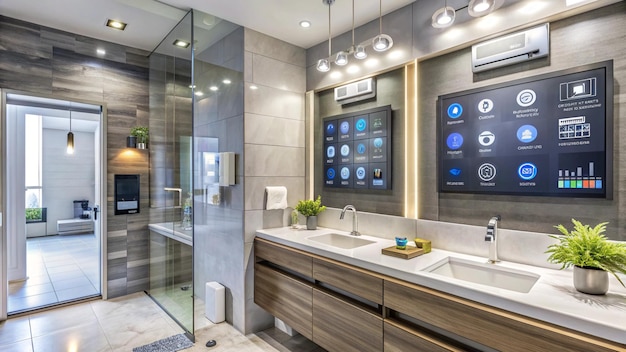
Incorporating digital monitoring and feedback systems within public restrooms represents a significant leap in leveraging technology to enhance hygiene standards. With the integration of IoT technology, these restrooms can be equipped with a comprehensive restroom monitoring network capable of delivering real-time data crucial for maintaining cleanliness. Sensors installed in various parts of the restroom, such as soap dispensers, faucets, and paper towel holders, provide valuable information on usage patterns and remaining supplies. This IoT-based data analytics enables facility managers to receive instant alerts regarding supply levels, allowing them to address shortages before they become issues, thus ensuring continuous availability of essential hygiene products.
User feedback also plays a pivotal role in driving improvements through these advanced systems. By allowing restroom users to report cleanliness issues directly via digital interfaces or mobile apps, facility managers can quickly identify and rectify problems before they escalate. The integration of data analytics with user feedback creates a proactive maintenance strategy, optimizing resource allocation and fostering an overall cleaner environment. This synergy between IoT technology and user interaction not only improves immediate restroom conditions but also supports long-term hygiene management goals.