
Sponsored article
Protecting your home and loved ones from fire hazards is a top priority. While it’s impossible to predict when a fire might occur, being well-prepared with the right fire safety tools can make all the difference in an emergency. In this article, we’ll explore essential tools that every homeowner should consider, how to choose the right ones for your specific needs, and the crucial steps needed to maintain them properly. Stay informed and ready by understanding the fundamentals of home fire safety.
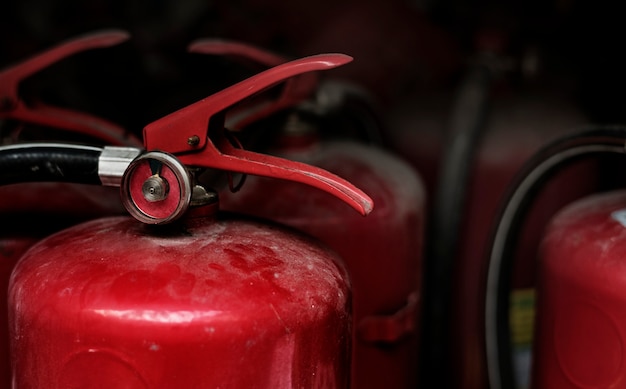
Ensuring home fire safety involves equipping your home with essential fire safety equipment to protect your family and property. Key tools include:
By incorporating these tools, you’ll ensure a safer environment for your loved ones.
When it comes to choosing fire safety tools for your home, conducting a comprehensive home fire risk assessment is the first crucial step. This evaluation should consider factors like the layout of your home, the size of your family, and the presence of any vulnerable members such as young children or elderly individuals. By understanding these elements, you can choose customized fire safety solutions that effectively address your specific needs. For instance, a multi-story home may require additional smoke detectors or fire extinguishers on each floor, while families with small children might benefit from window ladders and specialized evacuation planning. Consider the placement of fire safety equipment, ensuring that smoke alarms are installed in key areas such as kitchens and bedrooms. Additional fire prevention tips include regular maintenance of your fire safety tools and practicing your family’s emergency evacuation plan. By thoroughly assessing your home’s unique characteristics, you can make informed decisions that enhance your household’s overall safety.
Ensuring that your household is equipped with the right fire safety tools is just the beginning of safeguarding your home. Equally important is the consistent fire safety maintenance of these tools to guarantee their effectiveness in an emergency. Regular tool inspection can’t be overemphasized—smoke detectors, fire extinguishers, and carbon monoxide alarms need to be checked monthly to confirm they are in working order. Replacing batteries and servicing equipment should be done routinely to avoid any malfunction at crucial moments. While having functioning tools is essential, equally vital is the practice of regular fire drills. Conducting these drills can familiarize your family with the proper escape routes and actions they need to take in the event of a fire. Establishing a comprehensive safety plan that includes an emergency evacuation strategy is imperative for effective emergency preparedness. Remember, a well-rehearsed safety plan can significantly reduce panic and save lives during an actual emergency.